

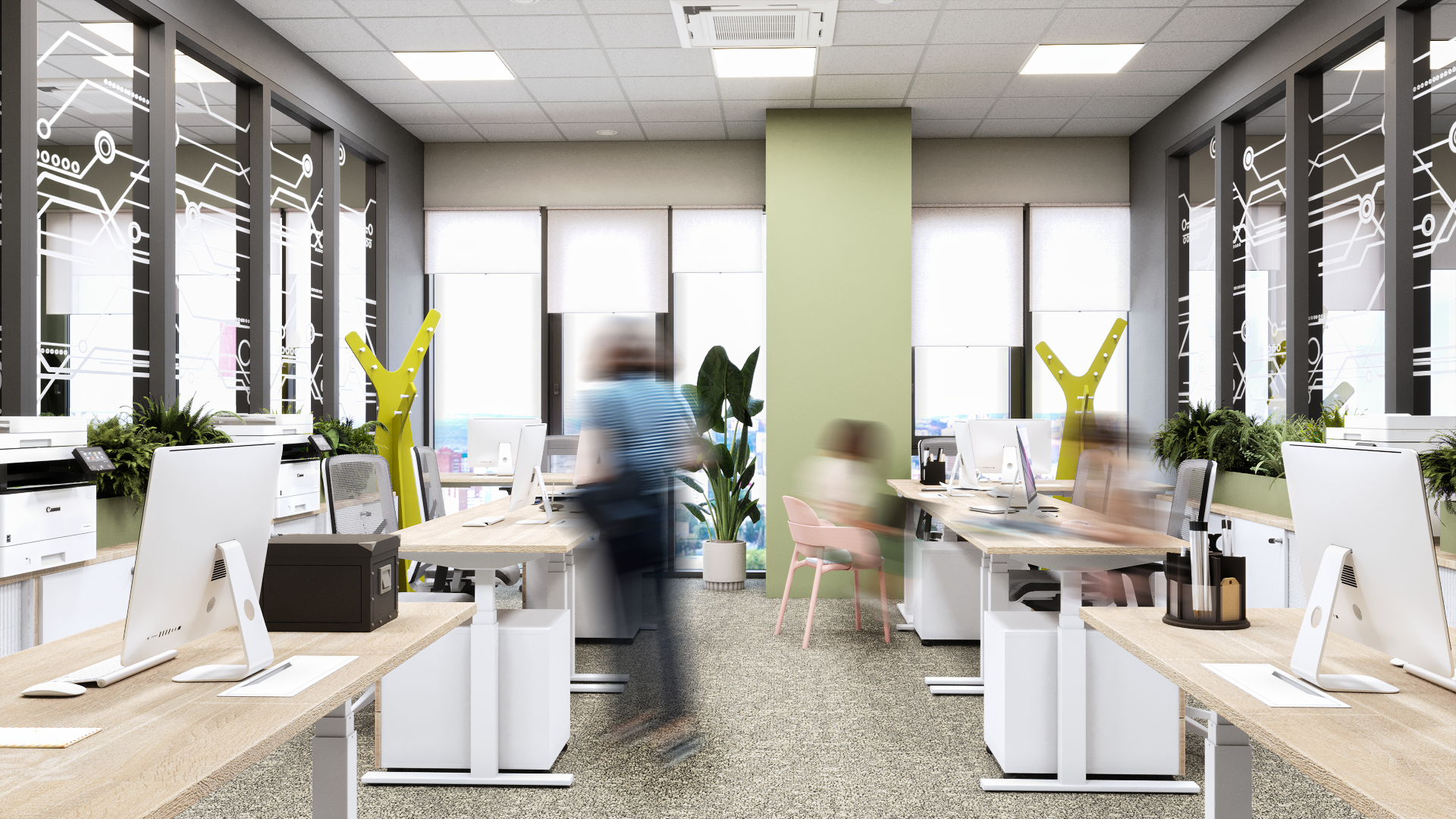
Good workplace design is supposed to disappear into the background. Walk through any office today, though, and you’ll see people wearing headphones that aren’t playing anything.
You’ll see someone picking up their laptop and moving desks for the third time before lunch. Someone else ducking into a stairwell to take a call. A meeting room booked by one person, alone, door closed, laptop open.
And a growing number of people who could be sitting at their desk, choosing to work from home instead because that’s where they can actually get an hour of uninterrupted work done.
None of this used to be normal. Now it barely gets a second look.
Maybe these aren’t employee habits.
Maybe they’re symptoms of a workplace that no longer supports the way people actually work.
Why workplace design is about more than open plan or closed plan
It would be easy to read that list and conclude the fix is obvious: more private offices, fewer open floors, back to walls and doors.
That’s the wrong lesson.
A workplace can be beautifully designed, filled with natural light, generously planted, thoughtfully laid out, and still fail at the one thing it’s actually for: helping people do their work well.
Open or closed matters less than most people assume.
What actually matters is whether an office’s workplace design gives people enough choice, privacy, acoustic control, focus space, collaboration space, and flexibility to match the different kinds of work they need to do in a single day.
Concentration and collaboration aren’t the same activity, and they don’t happen well under the same conditions. A workplace that treats them as interchangeable will always feel slightly off to the people using it, even if nobody can say exactly why.
That mismatch shows up in small behaviours long before anyone calls it a design problem.
Here are seven worth paying attention to.
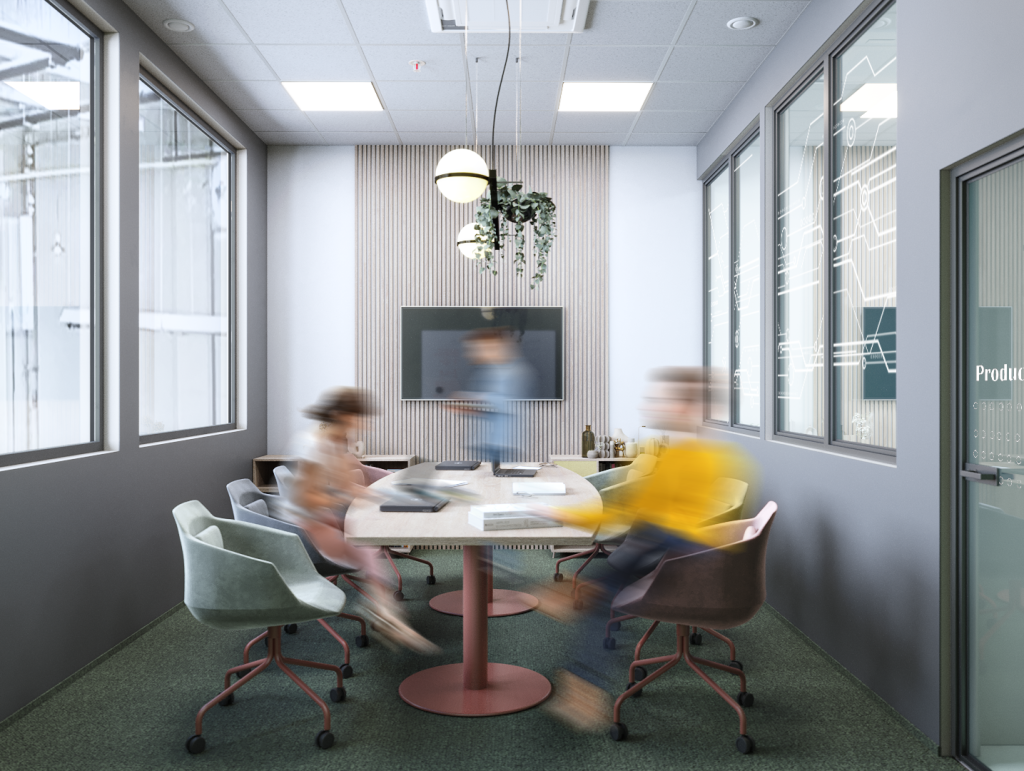
1. People are always looking for somewhere else to work
Someone moves from their desk to a booth. Then to a different floor. Then home, for “a focus day.” Because they’re testing every available option until they find one where work actually happens.
Gensler’s 2025 research found something worth sitting with here: employees who had more choice over where and how they worked were far more likely to say their workplace actually supported their productivity, both individually and as a team. Choice reads less like a perk here and more like a requirement.
When people keep moving, they’re not being restless. They’re doing the job good workplace design should be doing for them: matching the setting to the task.
2. Focus work has become a negotiation
Headphones on. Status set to do not disturb. A meeting room booked for a party of one, to finish a document without interruption.
None of that used to require negotiation. It used to be the default setting of a desk.
Gensler’s 2026 Global Workplace Survey, which spoke to 16,459 full-time employees across 16 countries, found that two out of three workers had taken to “hacking” their workspace to make up for what it wasn’t giving them.
Separate research published in PLOS ONE has connected privacy needs directly to how satisfied people are with their workspace, and how well they can concentrate. This has nothing to do with people being precious.
Focus has become a condition workers have to build into their own day, instead of something the workplace design simply provides.
When getting an hour of quiet requires a plan, a booking, or a pair of headphones as a social signal, the building is asking employees to compensate for something it isn’t providing on its own.
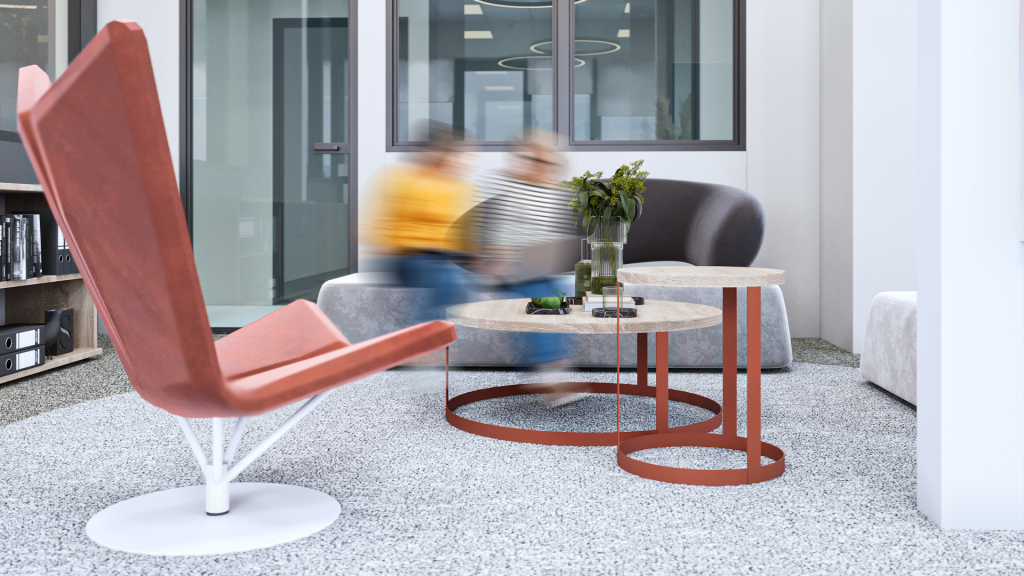
3. Collaboration happens everywhere except in the spaces designed for it
Look at where real collaboration actually happens in most offices. Rarely in the room built for it. More often around someone’s desk, in the kitchen, standing in a hallway, huddled over one laptop screen.
Meeting rooms sit booked but empty, or empty and unbookable, or the right size for the wrong number of people. Gensler’s research keeps flagging the same two culprits behind workplace frustration: not enough meeting space, and too much noise where meeting space does exist.
That avoidance rarely comes down to preference. More often it comes down to friction: booking a room, walking to the right floor, or discovering the space doesn’t actually fit what the moment needs.
So people collaborate wherever it’s easiest, regardless of what that space was designed to do, and regardless of who else that disrupts.
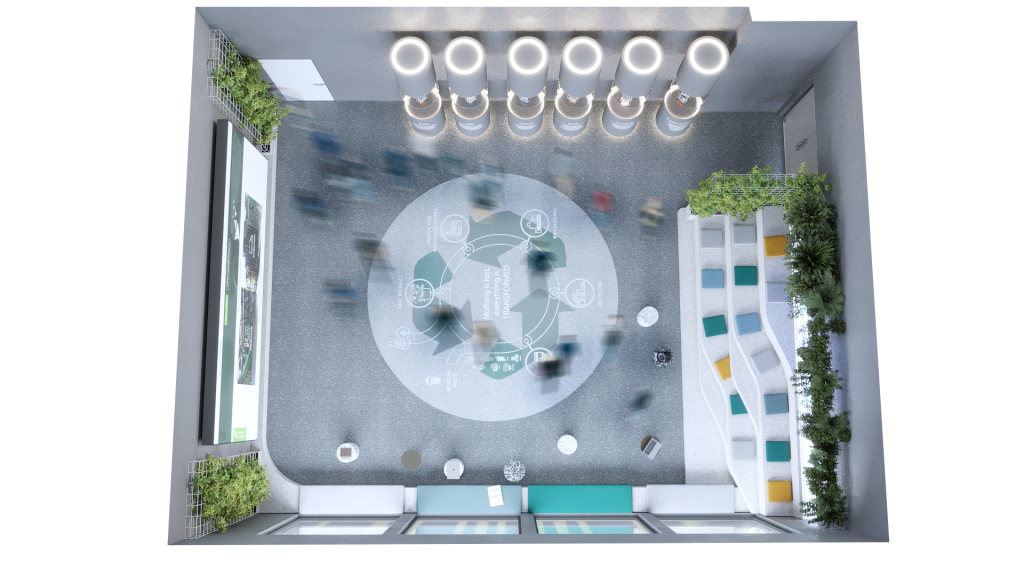
4. People come to the office, but the workplace design isn’t necessarily helping them perform
Attendance and performance slowly became two different metrics, and most offices are still only measuring the first one.
You can have 80% occupancy and still have people struggling to concentrate, taking calls in corridors, spending 20 minutes looking for a meeting room, or travelling across the floor to find somewhere quiet.
Occupancy tells you how many people are there.
It doesn’t tell you whether the space is helping them work.
5. Teams have created their own unofficial workplace rules
Every long-running office develops a folklore nobody wrote down. That desk by the window is unofficially reserved for whoever gets in first. That corner is where you take calls. Thursday afternoons are, by unspoken agreement, when nobody expects a fast reply.
These rules exist because the formal design left gaps, and people are resourceful enough to fill them without waiting for permission. One in four employees, according to Gensler’s 2026 survey, have made their own fixes for ergonomics, temperature, or visual privacy, on top of whatever informal social rules their team has invented.
None of that reads as dysfunction once you look closer. Every unofficial rule works as a small, specific answer to a question the space itself never addressed.
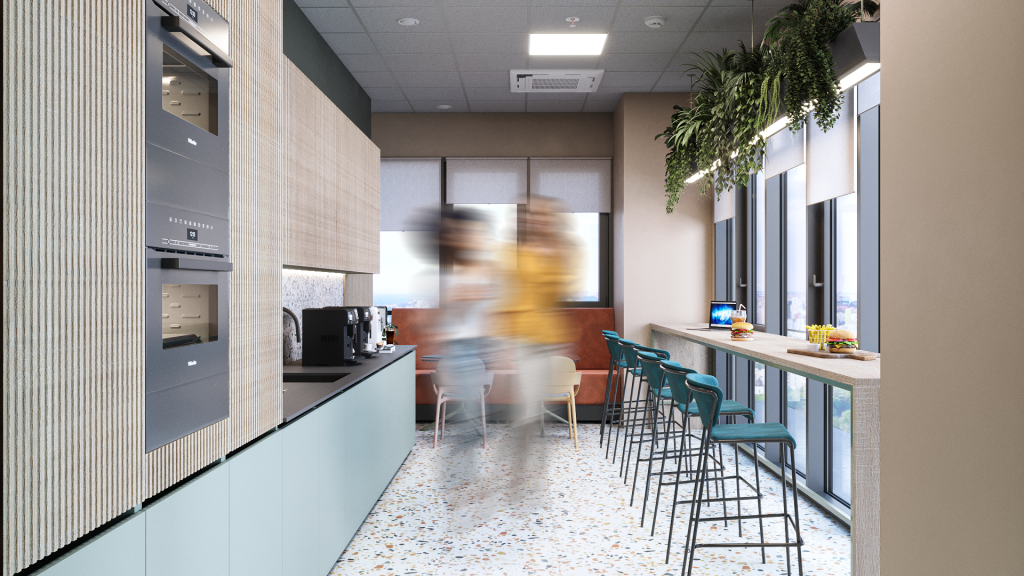
6. Employees are constantly adapting themselves to the space
Angling a screen away from a walkway. Bringing in a desk lamp because the overhead lighting is either too harsh or too dim. Keeping a hoodie at the desk for the one corner of the office that’s always cold. Choosing a seat based on who might walk past, not on what the work requires.
Each adjustment looks small on its own. Together, they add up to a second, invisible job: managing the environment instead of just working in it.
A well-matched workplace shouldn’t need constant micro-adaptation from the people using it. When adaptation becomes routine, the space stops being neutral background. It starts actively costing people attention that should be going toward their actual work.
7. Nobody can clearly explain what the office is actually for anymore
Ask five people on the same team why they come into the office, and there’s a decent chance you’ll get five different answers. Culture. Meetings. A change of scenery. Because their manager expects it. Because working from home got lonely.
None of these answers are wrong. But a workplace without a shared, understood purpose is a workplace nobody designed on purpose, or a workplace whose purpose has shifted without the space catching up.
That gap often traces back further than people realise. Gensler’s research has found that only a minority of employees who went through a recent workplace redesign felt genuinely included in that process.
When people aren’t part of shaping what a space is for, it’s not surprising they can’t articulate it afterward.
What these signs mean for your workplace design
None of this means the office needs a full renovation. Sometimes it does. More often, the answer is narrower: better zoning, an acoustic fix in one area, two more focus rooms, a smarter meeting-space strategy, or simply a clearer picture of how the space is actually being used versus how it was intended to be used.
We’ve seen the diagnosis lead in very different directions across our own workplace projects, from a single floor to a full relocation.
These seven signs work best as a diagnosis. Read them before reaching for a demolition plan, not after.
A workplace doesn’t become outdated because the furniture is old.
It becomes outdated when the way people work has changed and the space hasn’t caught up.
Before changing a space, it’s worth understanding what the current workplace design is already making people do. The headphones, the desk-hopping, the stairwell calls, the unofficial rules. They’re not complaints. They’re data, already being generated, every single day, by the people using the office right now.
Worth asking, before anything else: does your workplace design still support focus, collaboration, and the actual reasons people come in? Sometimes the clearest answer is already visible in how people are working around it.
Is your workplace still working for your team?
If you recognised some of these signs, take our short questionnaire.
It will help you identify where your workplace may be creating friction, and what deserves attention before you invest in changing the space.
Scroll to the bottom of this page to complete the questionnaire.
Share: