

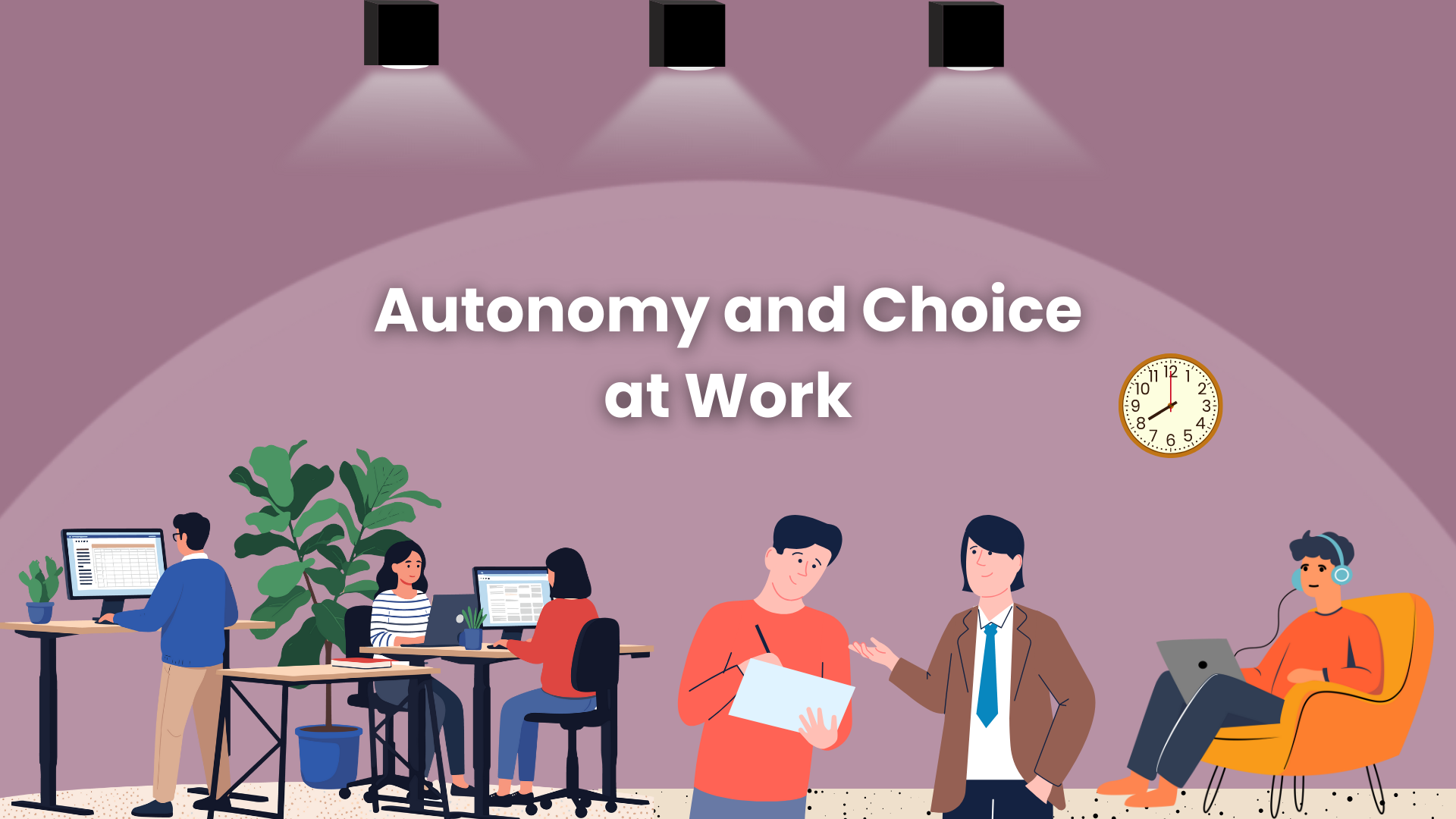
Imagine walking into an office where you have no say over how your desk looks, where you sit, or where you work from… You have little to no control over your workplace.
Now picture the opposite: a space that allows you to personalize, adapt to your preferences, and step away when needed.
Freedom at Work: What It Actually Entails
Choice and autonomy in a workspace go beyond simply letting employees pick a desk. In essence, they refer to the freedom employees have to make decisions about how, where, and sometimes when they work.
When employees can tailor their surroundings and work patterns, they experience higher motivation, well-being, and productivity.
What does research say?
Managerial control
When employees feel they have less control over their workspace, discomfort grows, and feelings of belonging to the organization weaken (Knight & Haslam, 2010).
Privacy
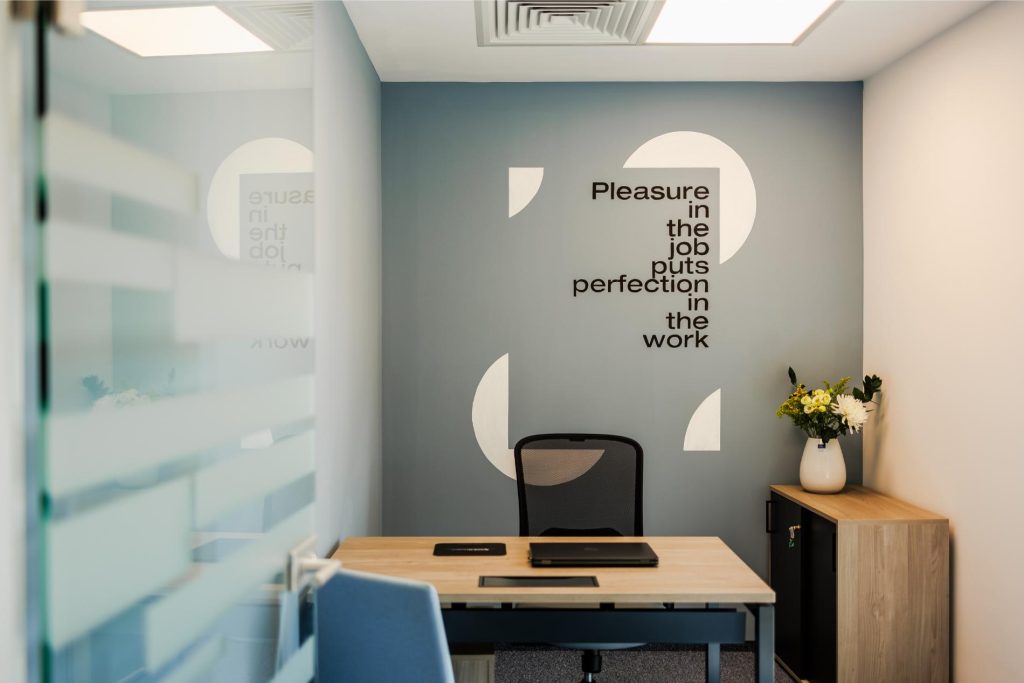
Workspaces that lack privacy (focus rooms) can lead to fatigue and distraction, especially when those spaces were generic and undercoated (Laurence et al., 2013)
Studies suggest that employees spend 28% of their time dealing with distractions! (Spira & Feintuch, 2005).
Personalization
When people have the freedom to personalize their workspace, they work more efficiently and feel more motivated. Knight & Haslam (2010) further found that enriched spaces improved speed by 15% and boosted productivity and well-being by around 30% compared with lean, non-customizable spaces.
Freedom of Choice by Design
Think of the last time you truly felt comfortable at work. Was it ergonomic, comfortable furniture, the ability to work from a quiet corner of the office, or the lighting?
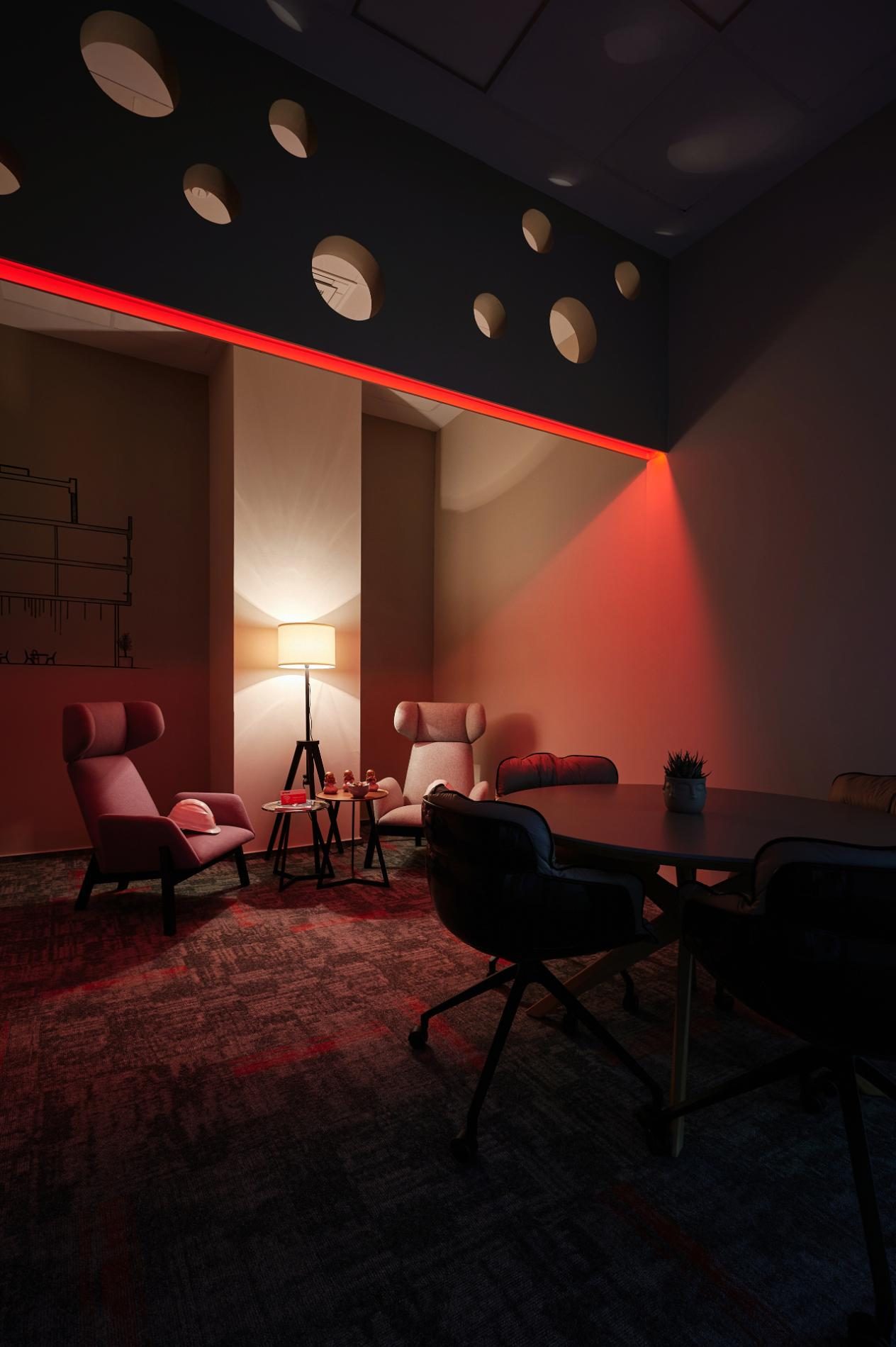
Design plays a major role in giving employees that freedom. When people can control aspects of their environment, such as lighting, temperature, seating, or where they work, they feel more autonomous, focused, and supported. Yet these elements are often overlooked in workplace planning.
Research backs this up:
- Employees who feel they have control over temperature, lighting, ventilation, and noise report higher comfort, fewer building-related symptoms, and better perceived indoor environmental quality (Bluyssen et al., 2014).
- Exposure to 4000 K and 6000 K CCT lighting conditions has been shown to reduce physiological stress (Fekry et al., 2025).
- Similarly, warmer offices can boost productivity. When temperatures were raised from around 20°C to 25°C, workers made fewer typing errors and performed better overall (Widrich, 2013).
In other words, environments designed with adjustable, user-friendly elements can help people work better and more efficiently.
Privacy as a Design Tool
Office designers are well aware of the importance of privacy in the office. Although open offices are more prevalent now as cubicles are being left in the past, modern office design aims for a balance between the two.
What makes the perfect focus room?
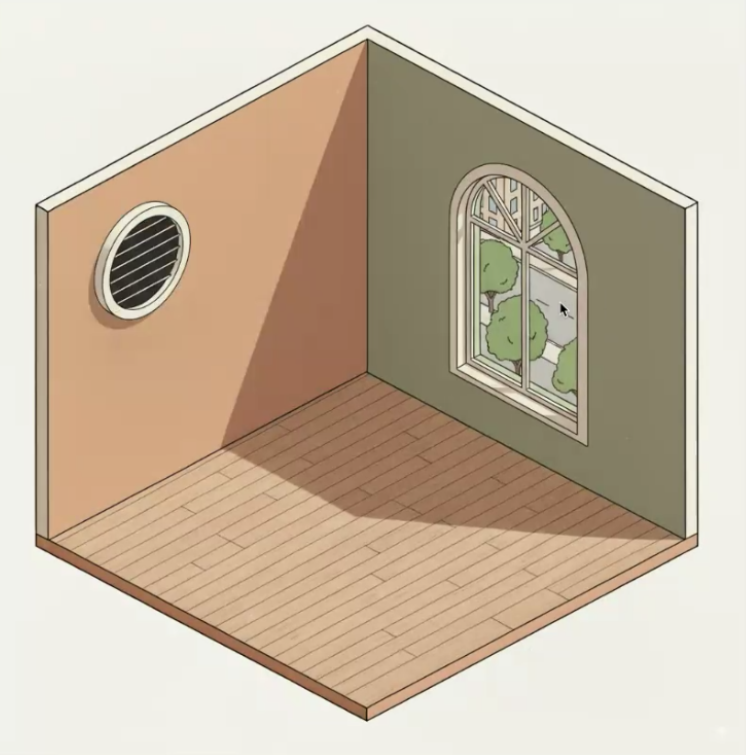
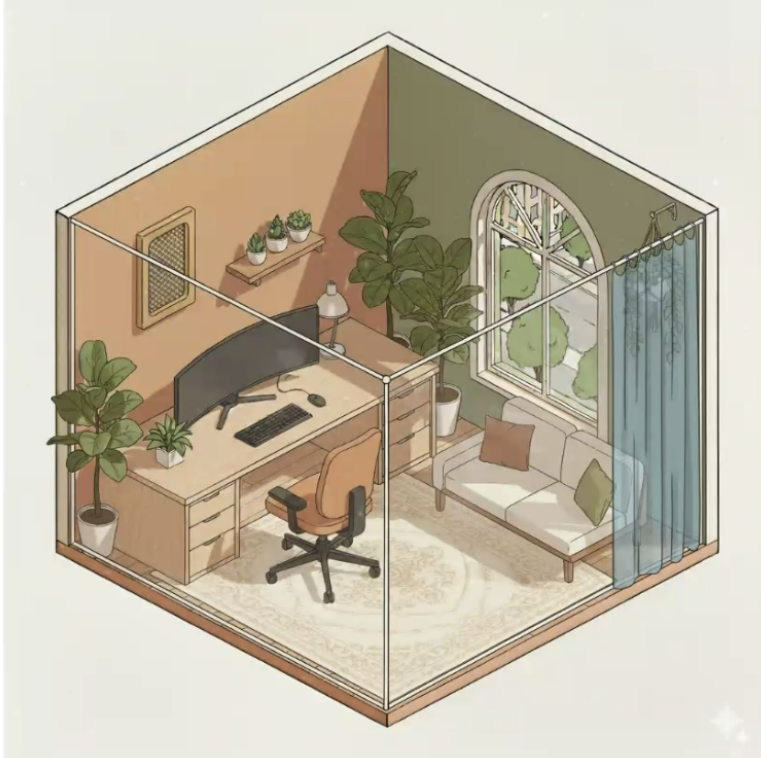
Focus rooms, when designed well, are a valuable productivity and focus tool for employees who need time for deep, focused work. The ideal focus rooms have the following features:
- Space to move around
- Biophilic design
- Natural light
- Fresh air
- Ergonomic equipment
- Control over visual and acoustic privacy
… basically, a mini-office within an office.
The Power of Personalization
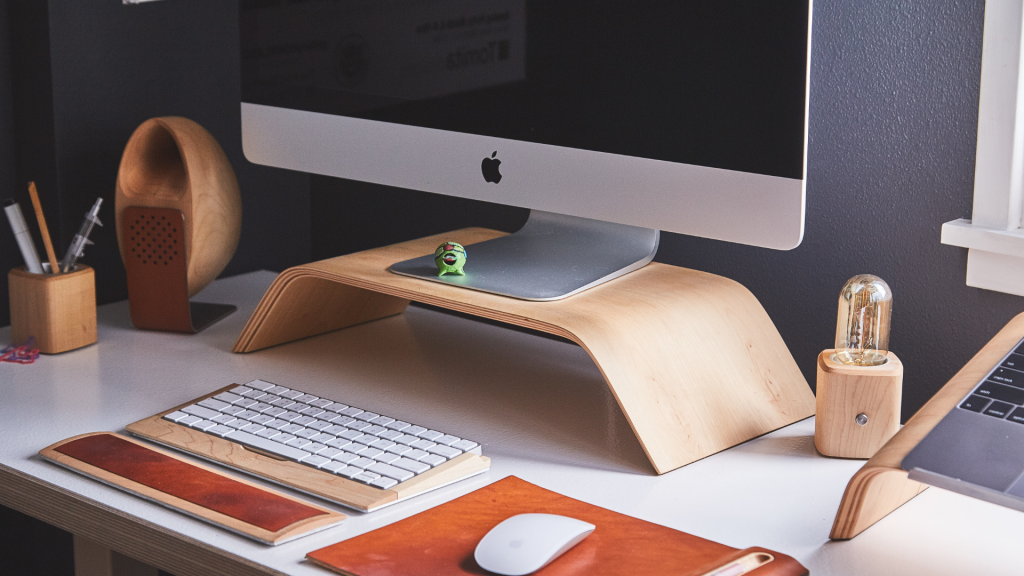
In an “enriched” workspace, staff completed tasks about 15% faster than those in the “lean” setup. Additionally, allowing employees to customize their own spaces drove a roughly 30% increase in both output and well-being (Knight & Haslam, 2010).
The purpose of personalizing your own space goes beyond the aesthetics of the space.
It is for:
- Marking territory
- Regulating interaction and privacy
- Psychological security and adaptation
- Providing functions for specific activities
Designing areas to be too perfect or “untouchable” can backfire. Spaces that feel overly curated often discourage people from actually using them. Instead of inviting interaction, they create anxiety about “messing things up,” which can reduce comfort, spontaneity, and a sense of ownership. When employees feel a space isn’t really for them, they’re less likely to settle in or use it in ways that support their workflow.
People need a territory.
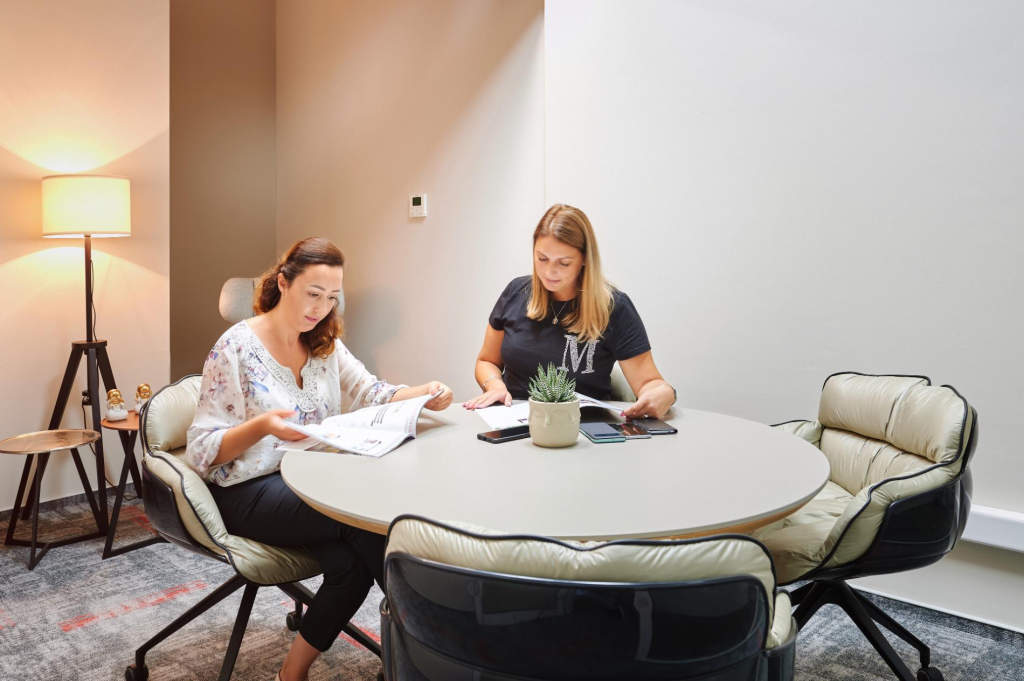
At the core of every great office lies one simple truth: people need a territory. Not in the literal sense, but in a psychological one.
A “territory” is the space where employees feel safe, in control, and able to express who they are. It’s where identity forms, autonomy grows, and belonging takes root.
A workplace needs to support the following fundamental needs:
- Safety
- Control
- Identity
- Autonomy
- Predictability
- Resources
- Belonging
By creating environments where people can shape their own space, we give them more than comfort.
We give them ownership.
And ownership is what transforms a workplace from somewhere people have to be into somewhere they want to be.
Not sure where to start with your workspace design?
No worries, we’ve got you covered! We’ve created a quick questionnaire to help you pinpoint your priorities, understand your team’s dynamics and preferences, and clarify your business goals.
Share: